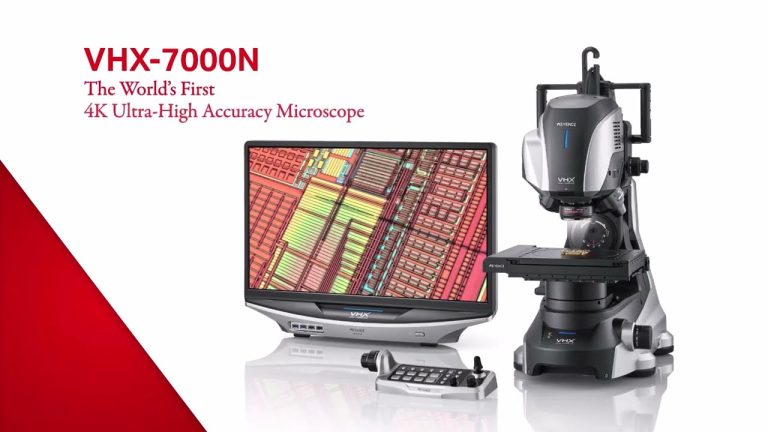
3D Digital Microscope
Applications:
Manufacturer:
Overview
Advanced 3D digital microscope system with integrated LIBS (Laser-Induced Breakdown Spectroscopy) capability for comprehensive surface characterization and elemental analysis. Enables detailed failure analysis and surface quality assessment.
3D Surface Profile
Three-dimensional surface map of a seal contact face showing micro-topography and surface roughness distribution.

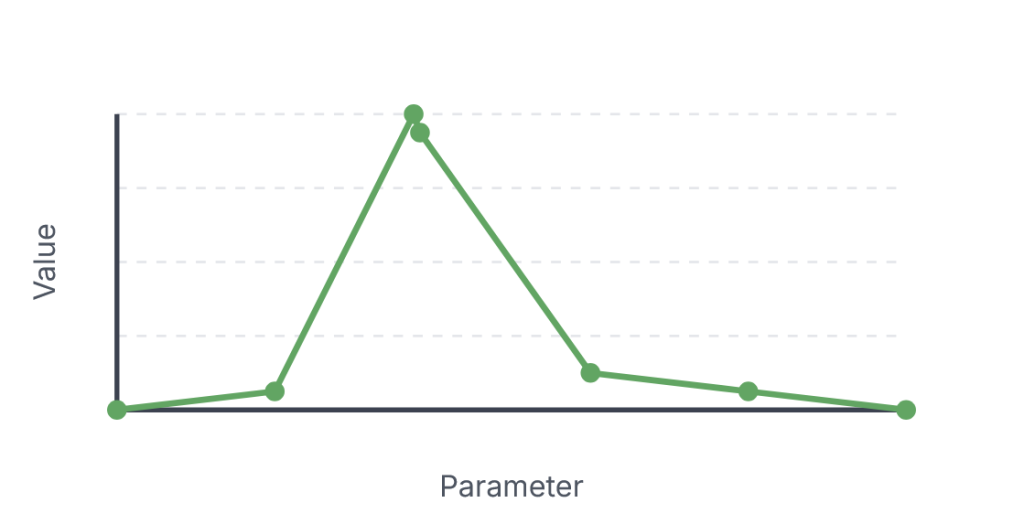
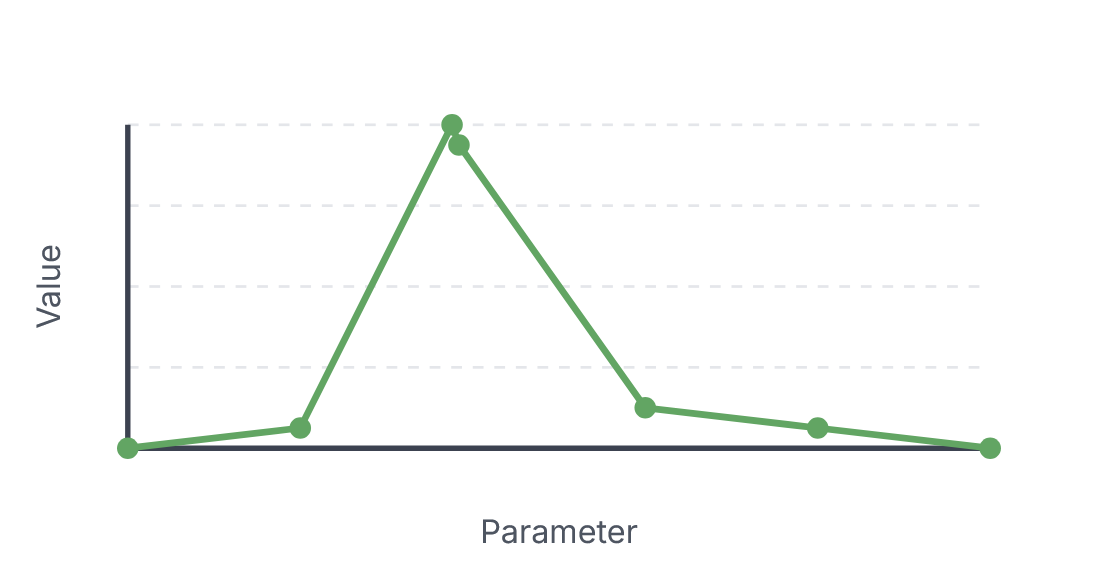
LIBS Elemental Spectrum
LIBS spectrum from contamination particle showing characteristic emission lines for rapid elemental identification.
Magnification: 5x to 6000x
LIBS for Elemental Analysis
3D Surface Metrology
Depth Composition Analysis
Automated Image Stitching
Advanced Measurement Tools
-
Advanced 3D Imaging
-
Seal Engineering (Surface Topology)
-
Failure Investigations (LIBS)
-
Quality Assurance
-
Reliability Studies
-
Contamination Analysis
-
3D surface profiling
-
Surface roughness measurement
-
Defect detection and analysis
-
Elemental composition mapping
-
Wear pattern characterization
Need Testing Services?
Contact our R&D team to discuss how we can help with your testing requirements.
Use cases
Seal Surface Quality Audit
Foreign Particle Analysis
Extrusion Damage Assessment
See other equipment:
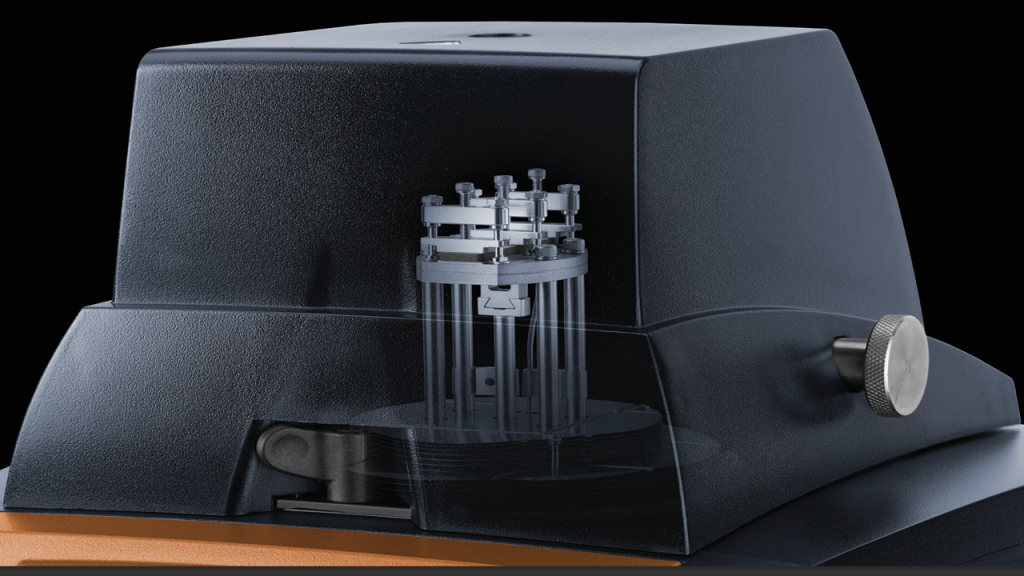
DMA Analyzer
Dynamic Mechanical Tester for viscoelastic property characterization. Medium-force capacity with environmental chamber from -160°C to 600°C.